The United States’ intelligence community has assessed that Iran’s leadership structure remains in place but its capabilities have been significantly weakened following recent military strikes.
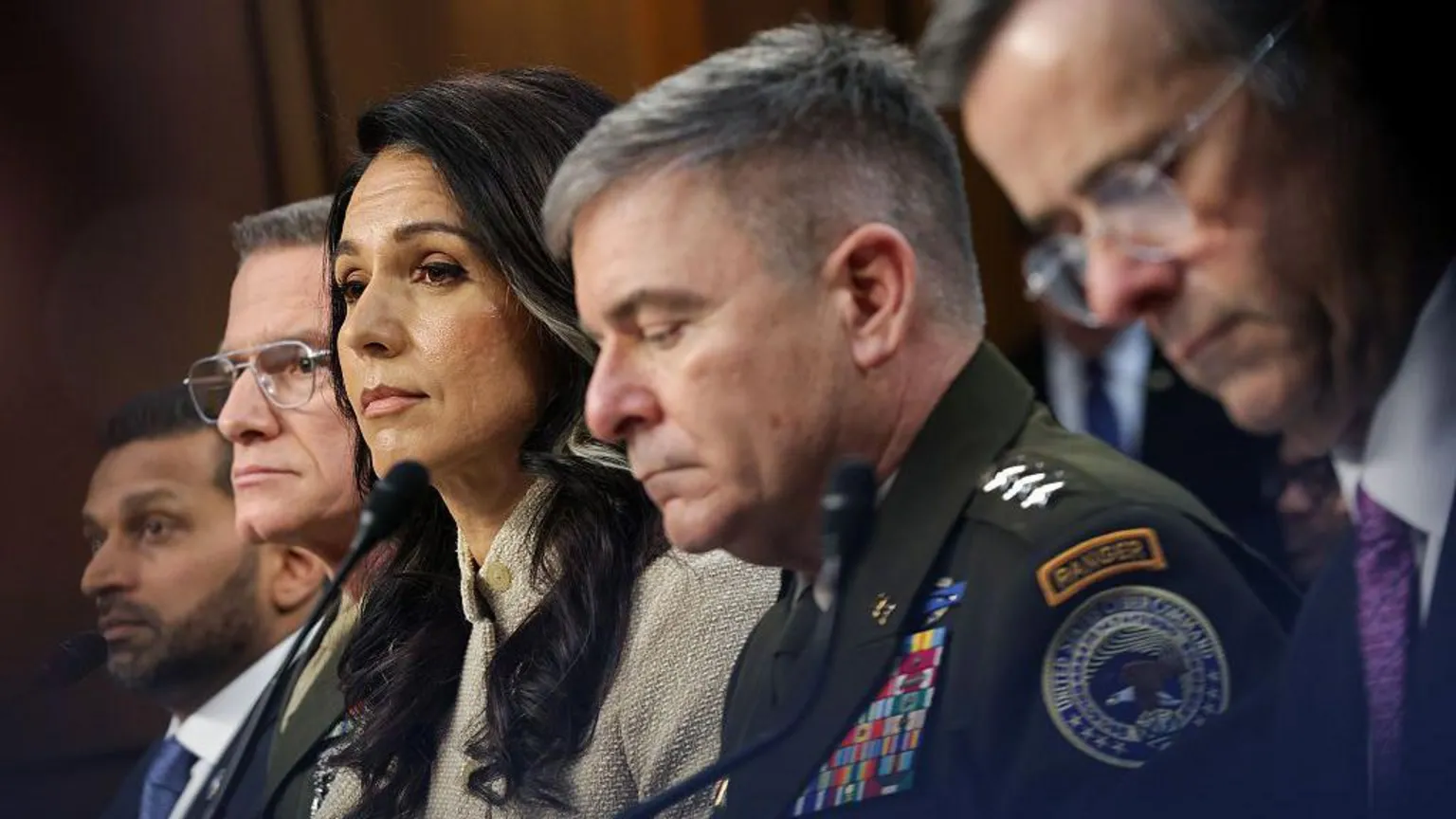
Speaking during a congressional hearing on global threats on Wednesday, Director of National Intelligence Tulsi Gabbard said the Iranian regime is still functioning, although it has suffered major setbacks targeting its leadership and military strength.
The session, which brought together senior officials including CIA Director John Ratcliffe, marked the first public intelligence update since hostilities erupted in late February.
The briefing came shortly after the resignation of counterterrorism chief Joe Kent, who argued that Iran did not present an immediate threat to the United States and criticised the decision to go to war.
During the hearing, Gabbard avoided directly answering questions from Senator Jon Ossoff on whether Iran posed an imminent threat, instead stating that such determinations ultimately lie with the president.
Her remarks come amid growing scrutiny over the rationale behind the strikes ordered by Donald Trump, who has maintained that Iran’s nuclear ambitions posed a direct danger to both the US and Israel.
Ratcliffe, however, rejected Kent’s position, insisting Iran has long represented a persistent threat and that the risk was immediate at the time of the strikes.
Gabbard told lawmakers that joint US and Israeli operations had dealt a heavy blow to Iran’s military infrastructure, adding that Tehran is now attempting to recover from damage inflicted on its nuclear facilities during the 12-day conflict.
According to the intelligence assessment, Iran has continued to resist complying with international nuclear obligations even as it works to rebuild parts of its programme.
Although Gabbard’s prepared statement claimed the strikes had effectively dismantled Iran’s enrichment capabilities, she omitted that line in her oral testimony, prompting questions from Senator Mark Warner.
Warner suggested the omission appeared to avoid contradicting Trump’s justification for military action.
Lawmakers also pressed intelligence officials on their involvement in the decision-making process leading up to the strikes, with Senator Angus King questioning whether they were present when final calls were made.
Ratcliffe said he had attended numerous meetings with Trump but could not point to a single moment when the decision was formally taken.
The hearing also examined risks to global energy supplies, particularly in the Strait of Hormuz, a critical oil transit route.
Officials said the intelligence community had long warned that Iran could attempt to control the channel during a conflict, and confirmed that contingency plans had been put in place to protect US interests in the region.